
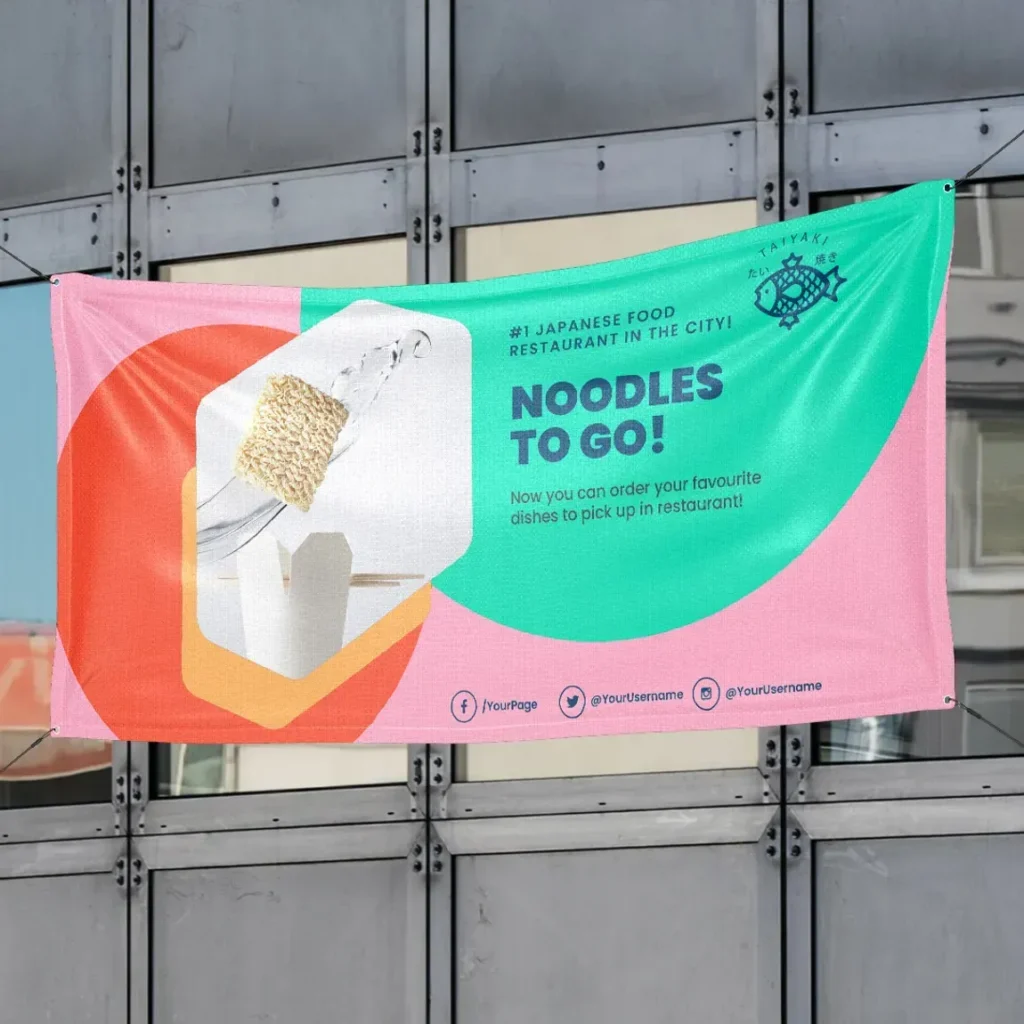
Custom Banner Materials set the stage for outdoor events, retail spaces, trade shows, and storefronts, communicating your brand before a single word is spoken. The choice of substrate shapes how your display performs under sun, wind, and rain, influencing both readability and longevity. This practical guide walks you through material options, printing approaches, and finishing touches so you can select the right solution for any project. Whether you need a quick promo or a durable outdoor sign, the best option balances durability, color, and cost. By understanding how materials interact with light and weather, you’ll save time, money, and effort when you bring your design to life.
Beyond the brand name, consider signage materials and banner substrates when planning your display. Different media, from vinyl banners to PVC banner material, respond differently to light and weather, so testing color and durability matters. For best results, align printing methods and finishes with the chosen substrate to maintain legibility and weather resistance. This approach, grounded in practical testing and real-world performance, helps you deliver a clear, lasting message. In short, selecting the right blend of materials, finishes, and mounting options saves time and money while boosting impact.
Custom Banner Materials: How to Match Substrate to Your Event
Choosing the right banner materials starts with the event context—outdoor festivals, storefront displays, or trade show booths—because weather, wind, and sunlight influence performance. Understanding the properties of each substrate helps you select materials that endure real-world conditions while preserving color and readability in large format printing.
When planning for durability and cost, start with the environment and installation method. For long-lasting outdoor banners, vinyl banners and PVC banner material with UV-resistant inks and laminate offer rugged performance, while indoors you might favor fabric banners to reduce glare and improve handling. The printing process—banner printing—must align with the substrate to optimize color fidelity and wear resistance.
Mesh banners provide wind-through capabilities for large outdoor displays, maintaining visibility without overloading supports. Backlit PVC or translucent substrates are ideal for illuminated displays, but they require compatible inks and finishing to ensure even lighting and color consistency. In every case, matching material to application sets the foundation for successful, durable banners.
Vinyl Banners vs PVC Banner Material: Durability, Weight, and Cost for Outdoor Campaigns
Vinyl banners are a versatile option built from PVC with a flexible coating that resists tearing and moisture. They’re widely used for both indoor and outdoor applications, offering a balance of durability and affordability across various thicknesses (mils). The heavier the vinyl, the better it stands up to wind, especially when paired with UV-resistant inks and appropriate lamination.
PVC banner material is closely related but often denotes a heavier substrate designed for more demanding environments. PVC banners tend to tolerate harsher weather, resist tearing, and can be finished with matte or gloss coatings to manage glare. The trade-off is weight and cost, but for campaigns that require bold color and robust outdoor performance, PVC remains a staple in banner printing workflows.
Budget-conscious planners should weigh total cost of ownership, including substrate, ink, finishing, mounting hardware, and installation labor. For short-term promotions, fabric banners or lighter vinyl may be more cost-effective, while PVC and heavier vinyl often justify their higher upfront costs through longer life and reduced maintenance.
Printing Methods in Large Format Printing: Inks, Color Management, and Substrate Interaction
The printing method you choose interacts with the banner substrate in meaningful ways during large format printing. Solvent, UV-curable, latex, and eco-solvent inks each bring distinct strengths in outdoor durability, color vibrancy, and safety. UV-curable inks cure quickly and resist fading, making them a popular choice for banners exposed to sun and rain.
Fabric banners commonly use dye-sublimation, which transfers dye to polyester fibers for vibrant, soft-hand colors with excellent wash-fastness indoors. Mesh banners and backlit substrates benefit from ink systems optimized for translucency to maintain legibility when illuminated. Across job runs, color profiles and calibrated workflows help ensure consistent results from proof to production.
Color management is critical when working with Custom Banner Materials. Establish device- and workflow-wide calibration, create ICC profiles for each substrate, and consider viewing distances to maintain color accuracy. A well-managed color workflow yields consistent, professional results across multiple substrates and print runs.
Fabric and Mesh Banners: Aesthetics, Wrinkle Resistance, and Wind Considerations
Fabric banners, typically polyester-based, offer a softer hand, reduced glare, and easier transport. They can deliver a premium appearance indoors or in controlled lighting environments. However, fabric can wrinkle and may require careful hanging, tensioning, and sometimes edge reinforcement to maintain a smooth presentation.
Mesh banners present a smart compromise for large outdoor displays. Perforated or open-weave substrates allow wind to pass through while maintaining legibility from a distance. They’re especially popular for stadiums, building wraps, and storefronts where wind load is a concern. Mesh banners often require ink systems that preserve brightness and readability despite perforations.
Printing on fabric typically uses dye-sublimation, while mesh keeps legibility through translucency. Finishing options such as hems, grommets, and edge reinforcement become crucial to extend life in windy environments. When selecting fabric or mesh, consider cleaning routines and maintenance to preserve colorfastness and structural integrity.
Backlit and Illuminated Banners: Achieving Even Light with Translucent Substrates
Backlit or illuminated displays rely on translucent substrates like backlit PVC to maximize light transmission. These materials are designed to glow from behind when paired with compatible inks and a proper lighting setup. Choosing the right substrate and finishing helps ensure consistent brightness and color fidelity in a lit environment.
Color fidelity under illumination requires careful color management and calibration, especially for banners intended to be viewed in various lighting conditions. Plan for lighting distance, angle, and uniformity to avoid hotspots or color shifts. Finishing options, including lamination and proper edge sealing, can reduce glare and protect prints from scuffs while maintaining a clean, even glow when the sign is lit.
In practice, coordinating material choice with printing methods and lighting design is essential for effective backlit banners. Large format printing teams should tailor color profiles and test proofs for the specific translucent substrate and illumination scenario, ensuring the final piece communicates clearly and consistently to viewers.
Frequently Asked Questions
What are the most durable Custom Banner Materials for outdoor use?
For outdoor durability, vinyl banners made from PVC banner material with UV-resistant inks and a protective laminate are top Custom Banner Materials. They resist moisture and tearing and work well with large format printing to ensure bold, long-lasting color. For very windy locations, consider heavier vinyl or mesh options as appropriate.
How does banner printing affect color accuracy on different Custom Banner Materials?
Color accuracy depends on the printing method and substrate. Large format printing on vinyl banners or PVC banner material with calibrated profiles and UV-curable inks yields durable, colorfast results. Fabrics using dye-sublimation offer different aesthetics, so use substrate-specific ink systems and ICC profiles to maintain consistency across substrates.
What finishing options best suit fabric vs vinyl banners in the context of Custom Banner Materials?
Finish choices influence durability and installation. For vinyl banners, use grommets or pole pockets with edge hemming and, if needed, a laminate to resist scuffs and moisture. Fabric banners benefit from reinforced hems and seams, backer strengthening, and controlled tension during installation.
Which Custom Banner Materials are best for wind-prone outdoor displays?
Mesh banners are ideal for wind-prone displays because perforations reduce wind load while maintaining legibility. For solid visuals, high-quality vinyl banners with a laminate can also perform well outdoors when properly mounted. Large format printing teams should match the material to wind conditions and mounting hardware.
How should I plan for maintenance and lifecycle when selecting Custom Banner Materials?
Plan for total cost of ownership: initial substrate choice, printing method, finishing, mounting hardware, and ongoing maintenance. Choose durable Custom Banner Materials that resist cleaning agents and weather, store fabric banners rolled, and schedule regular inspections to replace worn components as needed.
| Aspect | Key Points |
|---|---|
| Material Options (Primary substrates) | Vinyl/PVC: durable, moisture-resistant, versatile; heavier gauges with UV inks and laminate for outdoor longevity. Fabric: polyester-based, softer hand, less glare, indoor or controlled-light use; can wrinkle and require careful hanging. Mesh: perforated with wind-through design, ideal for large outdoor displays and wind-prone locations. Backlit/Translucent: designed to maximize light transmission for illuminated signs; requires compatible inks and consistent color across lit/unlit states. |
| Ink & Print Methods | Solvent, UV-curable, latex, or eco-solvent inks for vinyl/PVC; dye-sublimation for fabrics; ink choice affects durability, color accuracy, and maintenance. Print profiles should be tailored to each substrate for consistent color across runs. |
| Color Management | Calibrated workflows, ICC profiles for each substrate, device- and viewing-distance considerations to maintain color fidelity and consistency. |
| Finish & Installation | Grommets, pole pockets, hems, backer materials; lamination or spray coatings to resist scuffs and UV; proper mounting for wind loads; durability considerations for edge reinforcement. |
| Maintenance & Durability | Regular cleaning with mild soap; avoid harsh solvents; store fabrics rolled; inspect seams/grommets/edges; replace worn components to preserve brand integrity. |
| Durability & Weather | UV resistance, substrate thickness, and laminate influence longevity. Mesh performs better in high wind; consider backlit durability for illuminated displays. |
| Cost & ROI | Balance upfront costs with lifespan, maintenance, and replacement intervals. Heavier vinyl/PVC may cost more but reduces replacement frequency; fabrics may be cost-effective for short-term needs. |
| Practical Framework | Identify environment, select material to withstand it, choose compatible printing method, add finishing and mounting to maximize longevity and impact. |
Summary
This HTML table presents the key points about Custom Banner Materials in a concise, English-language format, covering substrate options, printing methods, color management, finishing, maintenance, durability considerations, and project planning for effective banner campaigns.