Embroidered Design

Color Theory for Embroidered Design: Threads That Pop

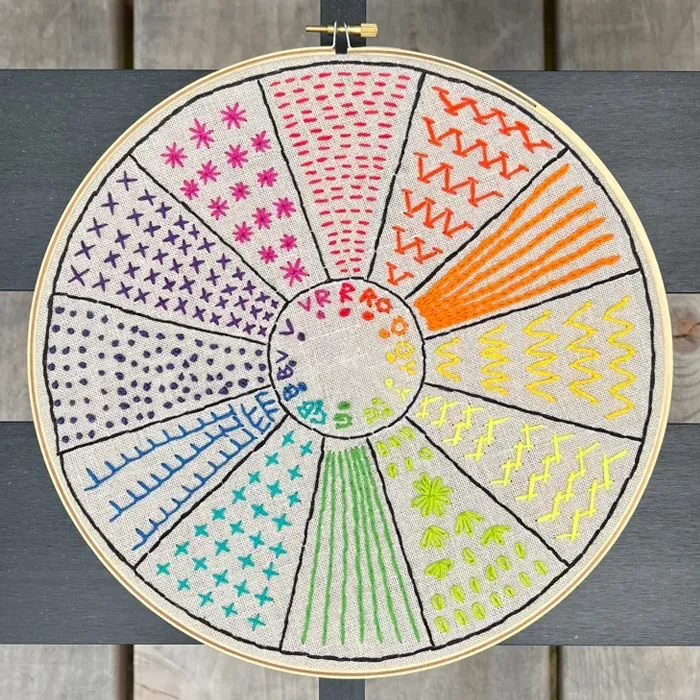
Color Theory for Embroidered Design guides how thread choices transform simple stitches into bold statements on fabric, helping you plan outcomes before you thread a single stitch, from initial sketches to finished texture, surface shine, and the overall mood you want to convey under varying lights, including the feel of stitch density and how fiber choice affects opacity. Understanding the embroidery color wheel gives you a clear map of hue relationships, so your design reads coherently while allowing subtle shifts in value and saturation that keep it lively across fabrics, lighting, garment types, textures, and project contexts, and this framing also helps you communicate intent to clients or teammates.

Color Theory for Embroidered Design: Threads That Pop Read More »

Minimalist Embroidered Design: Subtle Stitching for Impact

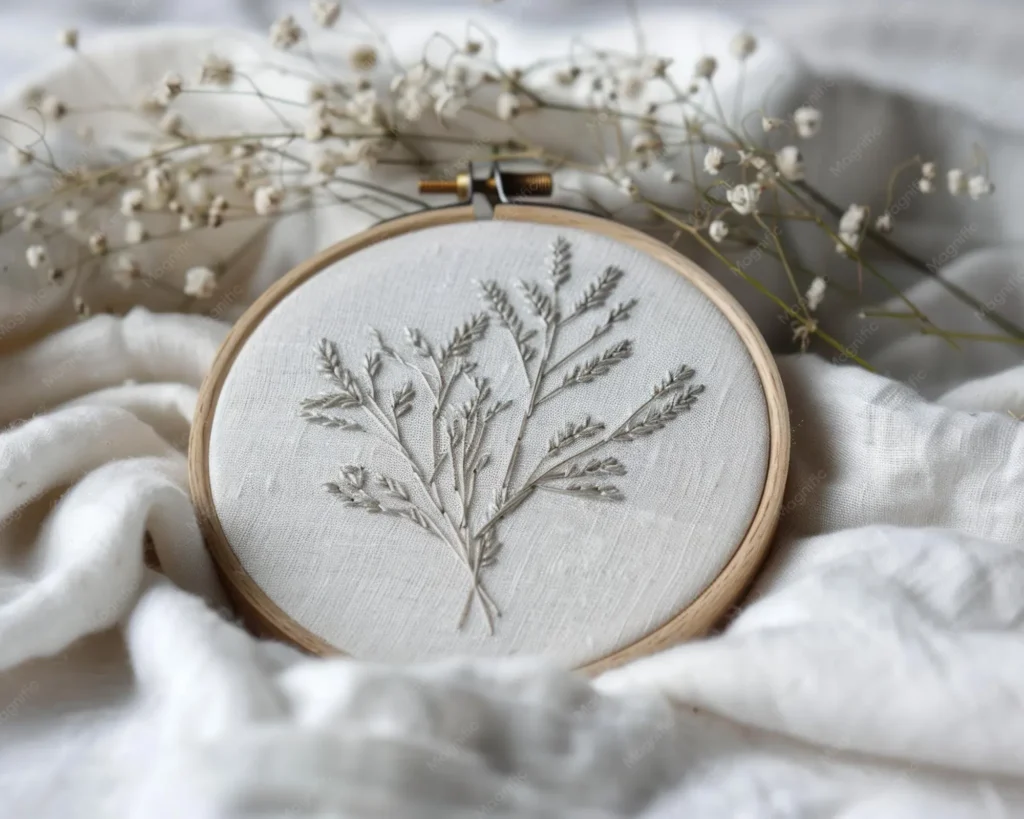
Minimalist Embroidered Design invites a calm aesthetic to fabric, art, and daily life, offering a refined alternative to busier patterns. This approach leans on mindful composition, minimalist embroidery, and restrained color to create impact with space rather than saturating the surface, with subtle embroidery stitches adding texture.

Minimalist Embroidered Design: Subtle Stitching for Impact Read More »

DIY Embroidered Denim: Tips and Tricks for Beginners

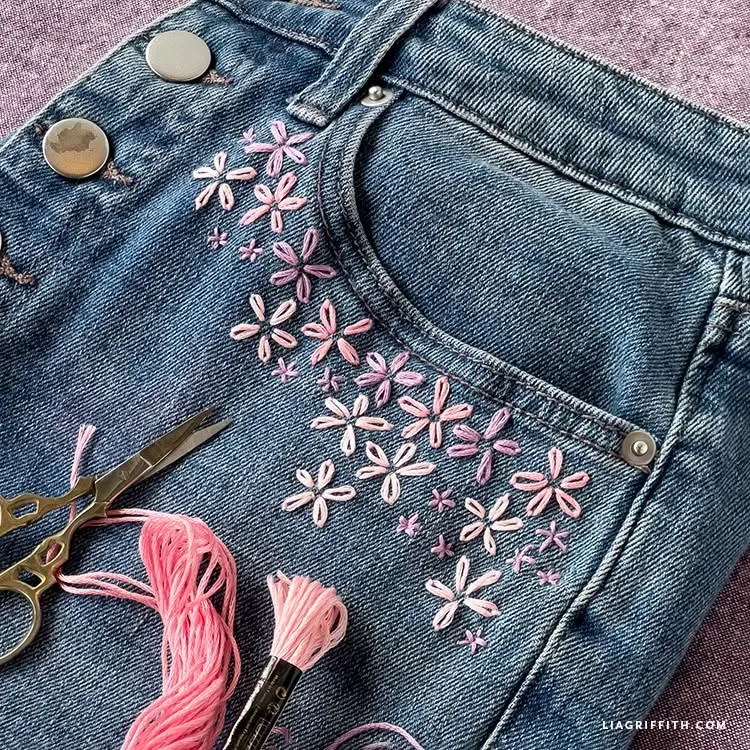
DIY Embroidered Denim offers a stylish way to refresh old jeans or customize a new pair with personalized flair, whether you’re revamping a closet staple or starting a fun weekend project. Embroidery on denim blends color, texture, and craft into one wearable project, with embroidered denim ideas ranging from botanical motifs to geometric shapes that suit every mood, season, and wardrobe.

DIY Embroidered Denim: Tips and Tricks for Beginners Read More »

Embroidery tension and puckering fixes: practical guide

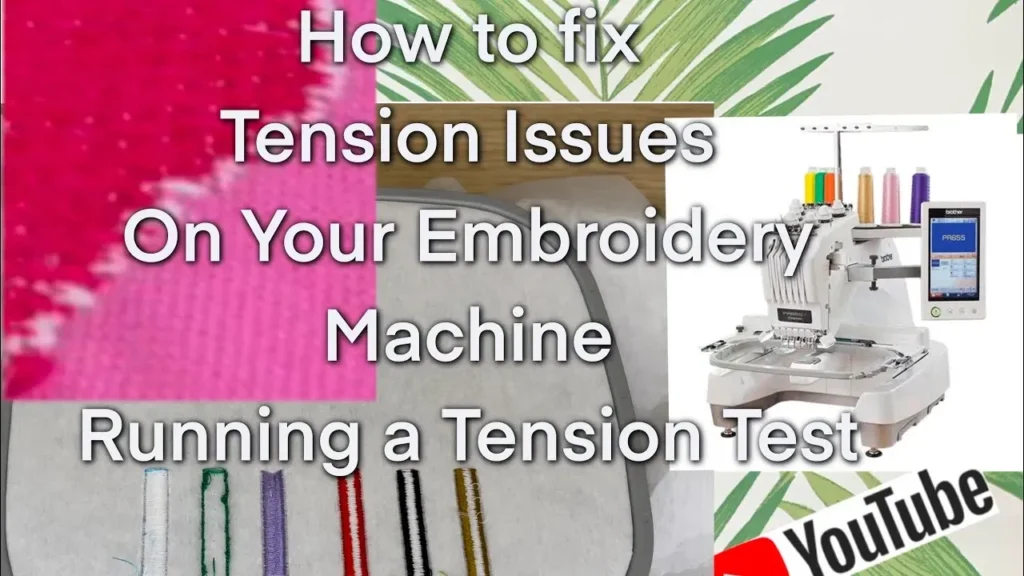
Embroidery tension and puckering fixes are essential for turning challenging designs into clean, professional results, because every stitch depends on finding the delicate balance between the top thread and the bobbin that keeps stitches riding on the surface rather than pulling fibers into ridges or puffing the fabric away from the stabilizer when the hoop handles movement, density, and fabric texture. Understanding how thread type, needle choice, fabric weight, stabilizer, and stitch density interact helps you prevent fabric puckering in embroidery and anticipate tension-related problems before the first color passes, saving time and reducing waste; this means thinking about your fabric’s behavior in the hoop, the stabilizer’s holding power, and how the stitch plan will respond to movement during embroidery.

Embroidery tension and puckering fixes: practical guide Read More »

Shopping Cart

© 2026 Banner Design X