
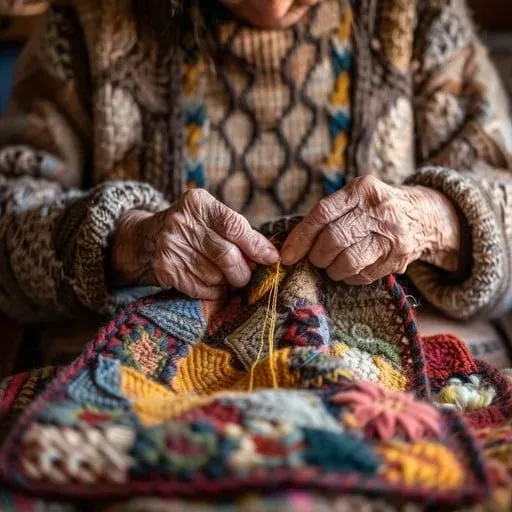
Patchwork Mastery opens a vibrant journey from fabric scraps to eye-catching quilts and wall hangings. This guide highlights core patchwork techniques that transform a pile of squares and strips into a coordinated textile artwork. Whether you’re a beginner learning to cut precise shapes or a seasoned maker refining layout strategies, the goal is clean seams, balanced color, and durable designs. By focusing on fundamentals and thoughtful arrangements, you’ll move beyond random sewing to create projects with rhythm, texture, and flow. Read on to discover practical steps for planning patch arrangements, mastering color and value, and executing precise seams that lead to flawless finishes.
Beyond the stitch guide, the practice invites crafters to transform fabric remnants into cohesive fabric art through deliberate planning and precise seam work. Think of it as block-based quilting, where color grading, value contrast, and texture layering create depth and movement across the surface. The aim is to build a well-balanced composition using calm contrast, repeated shapes, and disciplined cutting and pressing to keep rows square. Approaches rooted in design ideas and strategic layout principles help you evolve from scattered scraps to a finished piece with intent and harmony.
Understanding Patchwork Techniques for a Strong Foundation
A solid foundation in patchwork begins with understanding core patchwork techniques. Start with fabric selection, choosing complementary values and textures, then move through accurate cutting, consistent seam allowances, and mindful pressing. A balanced mix of lights, mediums, and darks creates depth and movement that keeps the eye engaged and helps prevent a flat-looking result.
To build confidence, practice cutting with sharp blades and high-quality rulers to keep pieces true to size. Aim for a precise 1/4-inch seam allowance and consider chain-piecing to speed production while preserving uniform seams. Pressing matters: press seams open or to one side depending on the block, nest seams, and reduce bulk, all contributing to crisper corners and a cleaner overall finish as you develop Patchwork Mastery.
Planning Patch Arrangements with Effective Layout Strategies
Planning patch arrangements begins before any stitching, using layout strategies to guide your work. Start with a rough sketch or a physical mock-up on design boards or grid-marked towels to simulate a quilt top. Decide on a dominant color story and map how patches will relate to one another to build rhythm and balance.
Color and value are central to a successful arrangement. Create a light-to-dark value scale and place patches along that spectrum to add depth. For a vibrant piece, push high-contrast colors into focal areas and use calmer tones as rest spaces. Patchwork design ideas like alternating warm and cool tones or grouping analogous hues can unify the composition, while swatch studies help confirm choices under different lighting conditions.
Achieving Perfect Patchwork Arrangements with Patchwork Mastery
With a plan in hand, you can pursue perfect patchwork arrangements through precise execution. Start with cutting accuracy, then ensure seam alignment, block construction, and final assembly are handled with care. Keep your cutting mat clean, rulers straight, and fabric edges aligned to minimize small shifts that magnify across the top.
Seam alignment is critical for neat patches: nest seam allowances and press in the same direction to achieve flat, tidy blocks. Depending on the block, pressing to one side or open can reduce bulk. After assembly, lay out blocks, measure diagonally to confirm a square or rectangle, and trim any uneven edges before joining rows to achieve a well-squared top—an essential step toward a durable, polished finish.
Patchwork Design Ideas: From Grids to Kaleidoscopes
Patchwork design ideas span classic grids like the nine-patch to dynamic mosaics, kaleidoscope-inspired curves, and improv-led layouts. Start with a reliable block family and vary the color or fabric arrangement to create new visuals, or embrace spontaneity with a controlled improv approach that keeps the composition cohesive.
Exploring different design concepts helps you build a repertoire for layout strategies and visual rhythm. For structure, anchor your piece in a familiar block family and rotate colors or fabrics to create movement. For experimentation, maintain a few consistent rules—such as repeating a favorite color or block size—to retain harmony while you test new textures and motifs.
Practical Quilting Tips and Tools for Clean Seams
Tools and methods can elevate patchwork arrangements from good to great. A sharp rotary cutter, precise ruler, and sturdy cutting mat are your essential allies. Solid thread choices and appropriate needle sizes ensure stitches stay hidden and seams withstand frequent use and washing.
Ruler tricks save time and improve accuracy, so choose a ruler with clear grid lines for precise trimming. Double-check measurements against your pattern before cutting, and consider templates for unusual shapes to keep edges crisp. Pressing sequences also matter: press most seams in a consistent direction to create a clean edge, then open final seam allowances where needed to reduce bulk and set the arrangement with a light overall press.
A Simple Step-by-Step Patchwork Project to Apply Patchwork Mastery
To apply Patchwork Mastery in a practical way, try a simple 9-patch project designed to teach core principles without overwhelming you. Materials: nine fabric squares in three color families, with two or three values per family. Key steps include cutting precisely, maintaining a consistent 1/4-inch seam, and sewing patches in pairs to form corner patches and a central block.
Assemble the top by joining the four corner patches to the central block, then complete the grid with remaining seams. Square up the top by measuring diagonally across opposite corners and trimming as needed. Check alignment and balance, and if one row feels heavier, swap one patch for a similar-valued alternative to restore harmony. This practical exercise reinforces core layout strategies, patchwork techniques, and the ongoing goal of Patchwork Mastery.
Frequently Asked Questions
What is Patchwork Mastery and how does it guide you through patchwork techniques?
Patchwork Mastery is a guided journey from fabric scraps to cohesive quilts and wall hangings. It emphasizes core patchwork techniques such as careful fabric selection, accurate cutting, a consistent 1/4-inch seam allowance, and deliberate pressing. By focusing on planning, precision, and thoughtful arrangements, you learn to turn scraps into clean seams, balanced color, and durable designs. This foundation helps beginners cut with confidence and seasoned makers refine their technique.
How can Patchwork Mastery help with planning patch arrangements using layout strategies?
In Patchwork Mastery, planning patch arrangements is central to layout strategies. Start with a rough sketch or mock-up, decide a dominant color story, and map how patches relate across the composition. Use a value scale from light to dark, employ patchwork design ideas like alternating warm and cool tones, and study swatches to confirm under different lighting. This disciplined planning translates into rhythm, balance, and cohesion in your quilt top.
What quilting tips does Patchwork Mastery provide to achieve perfect patchwork arrangements?
Patchwork Mastery teaches essential quilting tips and tools to support perfect arrangements. Use a sharp rotary cutter, a precise ruler, and a sturdy mat, plus a consistent 1/4-inch seam and careful pressing. Nest seams and press in the same direction to reduce bulk, and square blocks as you go to keep rows true. With those techniques, your blocks align neatly and the final top lies flat.
How does Patchwork Mastery translate patchwork design ideas into color and texture?
Patchwork Mastery helps you apply patchwork design ideas to color and texture. Focus on value and contrast as much as hue, using a balanced mix of lights, mediums, and darks to add depth. Try strategies like grouping analogous colors or alternating warm and cool tones to create movement without chaos. By keeping texture consistent and planning color relationships, your patchwork becomes visually cohesive.
Which layout strategies does Patchwork Mastery recommend for accurate blocks and a polished finish?
Layout strategies in Patchwork Mastery guide you from blocks to finished top. Begin with planning, then check alignment as you join blocks, trimming edges to stay square. Use grid-like structures such as nine-patch, log cabin, or more complex mosaics to maintain rhythm, while diagonally measuring to verify squareness. Precise cutting, seam nesting, and blocking ensure a clean finish and easier borders.
What are common mistakes in Patchwork Mastery projects, and how can beginners fix them?
Common mistakes in Patchwork Mastery projects include misaligned seams, uneven blocks, color balance issues, bulk at seams, and fabric creep after washing. Fixes include verifying alignment at each seam intersection, trimming blocks to consistent sizes, swapping patches to restore value harmony, pressing seams open to reduce bulk, and prewashing fabrics to prevent future distortion.
| Section | Key Points | Practical Takeaways |
|---|---|---|
| Introduction | Patchwork Mastery turns fabric scraps into cohesive quilts and wall hangings; goal is clean seams, balanced color, and durable, beautiful designs. | Foundation: fundamentals, rhythm, texture, and thoughtful arrangements to create projects with flow; practical steps for planning patch arrangements, mastering color/value, and executing precise seams for flawless finishes. |
| Understanding Patchwork Techniques | Foundation lies in fabric selection, cutting, seam allowances, and pressing; choosing fabrics with complementary values and textures helps each patch play its role; a balanced mix of lights, mediums, and darks creates depth. | Cut accurately with sharp blades and quality rulers; sew a consistent 1/4-inch seam; use chain-piecing to speed up; press seams open or to one side as appropriate; practice to achieve crisper corners and clean blocks. |
| Planning Patch Arrangements | Plan before stitching with rough sketches or mock-ups; decide on a dominant color story and map how patches relate; aim for rhythm and balance across the composition. | Create a value scale from light to dark; place patches along the spectrum; use high contrast for focal areas and calmer tones for rest spaces; limit palette for cohesiveness; apply swatch studies and photos to verify under different lighting; consider color placement techniques like alternating warm/cool tones and grouping analogous colors. |
| Achieving Perfect Patchwork Arrangements | Pursue precision from cutting to final assembly; keep tools and surfaces clean; align fabric edges to prevent shifts; nest seams and press in consistent directions to reduce bulk. | Nest seam allowances and press directions; decide when to press seams to one side or open; practice on scrap blocks to learn the best approach for your chosen arrangement; blocking and squaring: lay out blocks, measure diagonally, trim, and square up before joining rows; explore designs from classic nine-patch to kaleidoscopes and improv mosaics, maintaining cohesion with structure or deliberate spontaneity. |
| Practical Techniques to Elevate Patchwork Mastery | Tools and methods: sharp rotary cutter, precise ruler, sturdy cutting mat; choose appropriate thread and needles; use templates for unusual shapes; apply a thoughtful pressing sequence. | Ruler tricks for precise trimming; double-check measurements against patterns; templates help edges stay crisp; pressing sequence: press most seams to one side, open final seams where needed, end with a light overall press for stability. |
| Common Mistakes and How to Fix Them | Bitten corners, misaligned seams, and color clashes can derail projects; fixes include pinning or temporary basting, realigning rather than forcing seams, and checking alignment at each seam intersection. | Prevent and repair: trim uneven blocks, swap patches to restore color balance, reduce bulk by pressing seams open or using thinner fabrics, prewash fabrics to avoid post-wash creep, remeasure before final assembly. |
| A Simple Step-by-Step Patch Arrangement Project | 9-patch project using nine squares in three color families with two or three values per family. | Steps: cut nine equal squares with a precise 1/4-inch seam; sew patches in pairs to form corner patches and a central block; assemble the top by joining blocks, then square up and check alignment; if one row feels heavier, swap patches to restore harmony. |
Summary
Patchwork Mastery invites readers to see how thoughtful planning, precise sewing, and deliberate design come together to transform fabric scraps into cohesive quilts and wall hangings. This descriptive journey highlights foundational techniques—fabric selection, accurate cutting, consistent seam allowances, and deliberate pressing—paired with planning patch arrangements, color and value strategy, and precise seam execution to achieve clean, balanced tops. By working with swatch studies, mock-ups, and careful block construction, you’ll move from random sewing to intentional rhythm, texture, and flow. Patchwork Mastery is a continuous practice of learning, experimentation, and refinement, where disciplined cutting, stitching, and finishing elevate your quilting toward expressive, durable creations.