
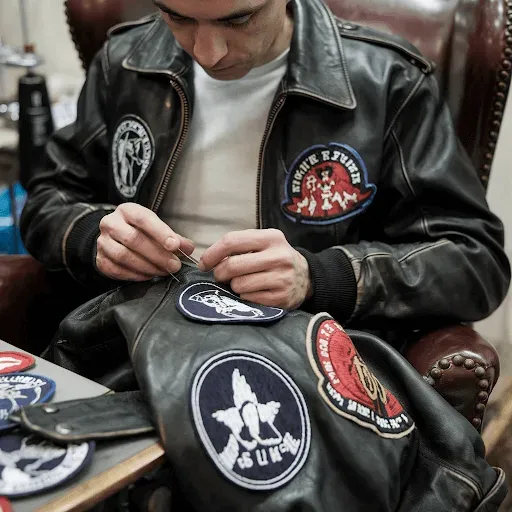
Sew on patches like a pro. With the right tools, patient technique, and a little fabric knowledge, you can turn worn areas into durable, visible fixes. This quick-start guide explains how to choose patches, prepare fabrics, and apply stitches that look neat and hold up to wear. You’ll learn when to use sew-on versus iron-on patches and how to reinforce edges for long-lasting results. By following a simple workflow, you’ll master the art of sewing patches on clothes and keep your wardrobe looking sharp.
In other words, patching garments is a practical craft that blends repair with personal style. Think of this as applying fabric badges, decorative patches, or protective reinforcements that extend wear while telling your story. To master this craft, you’ll explore patch sewing techniques, choose the right approach for denim or knit, and select the best tools for sewing patches. If you’re wondering how to sew patches, the answer starts with clean edges, proper alignment, and a secure finish that survives laundering. Finally, maintain your patches with patch care and maintenance routines to keep colors bright and stitches sound.
Sew on patches like a pro: essential tools, stitches, and technique
To sew on patches like a pro, start with a clear toolkit and a simple plan. Gather sharp needles (a denim needle for thick fabrics), strong thread, scissors, pins or sewing clips, and a reliable iron or pressing cloth. These are part of the best tools for sewing patches that help you achieve stable edges and durable seams.
For how to sew patches, you’ll want to choose a stitching approach that matches the patch and fabric. Hand stitches like blanket stitch or running stitches offer control on delicate fabrics, while machine stitches—such as a tight straight stitch near the edge or a dense zigzag—speed the process and improve durability. Patch sewing techniques like these balance appearance with strength, especially on denim or canvas.
Before you begin, pre-wash both garment and patch to prevent future shrinkage and misalignment. If fabric is prone to puckering, add a stabilizer or light interfacing behind the patch. Planning and prep set the stage for patchwork that looks neat and wears well.
Choosing patches for different fabrics: denim, canvas, and knit
Choosing patches for different fabrics starts with understanding material and wear. Denim jackets respond best to sew-on patches with reinforced edges, while canvas bags benefit from sturdy stitching that lies flat. For knits and lighter fabrics, small patches and careful tension help avoid bulk and distortion. When you align patches, consider how they’ll hold up to washing and friction.
Patch care and maintenance begins at application. If you’re sewing patches on clothes, test how the patch sits, and consider securing iron-on patches with extra stitches for longevity. Proper care keeps patches looking fresh, whether you’re updating a thrifted jacket or repairing a backpack lid over time.
Patch sewing techniques: hand stitches and machine stitches explained
Patch sewing techniques cover a spectrum from simple hand stitches to robust machine finishes. For hand work, a running stitch, whip stitch, or blanket stitch can secure edges with a nearly invisible finish on light fabrics. These options let you tailor edge visibility and durability to your project.
On machines, a narrow zigzag or satin stitch around the border creates a durable seal against fraying. Some builders even add dense inner lines or a lattice pattern to reinforce heavy patches on denim or canvas. If you’re aiming for a practical, long-lasting result, mastering these patch sewing techniques will pay off and inform how you sew patches on clothes in various contexts.
A practical step-by-step guide to applying patches on clothes
A practical step-by-step guide to applying patches on clothes starts with prep and placement. Layout the garment flat, position the patch with the surface visible, and secure with pins or sewing clips. Mark edges with removable chalk before you sew, and consider stabilizing curved areas to prevent movement during stitching.
Next, decide between hand or machine stitching. If hand-stitching, baste around the perimeter first, then work a secure whip or blanket stitch. If machine-stitching, set a tight zigzag near the edge and test on scrap fabric to avoid puckering. Finish by pressing gently and trimming any stray threads for a clean, durable finish that makes you feel confident to sew on patches like a pro.
Care and maintenance to extend patch life
Care and maintenance to extend patch life means washing and heat control. Turn garments inside out and use a gentle cycle to minimize rubbing at the patch edge, which helps preserve stitching. Iron settings should be cool to warm, and direct heat on patches can cause melting or warping if the patch material is delicate.
Additionally, for heavy patches on denim or canvas, re-stitching after occasional rewashes reinforces the hold. Store patched garments away from direct sunlight to prevent color fading and thread deterioration. Routine patch care and maintenance keeps your repairs looking sharp and reduces the need for frequent rework.
Common mistakes and fixes for durable patch work
Common mistakes and fixes for durable patch work start with alignment issues. If a patch shifts during sewing, anchor it with a light stabilizer behind the patch or baste edges by hand before machine sewing. Slow down, reduce stitch length, and avoid stretching fabric to minimize puckering.
Other frequent problems include frayed patch edges and visible knots on the backside. Finish raw edges with a dense blanket stitch or a narrow zigzag to seal edges, and bury threads or cover knots with a small scrap of fabric. With careful practice and the right tools for sewing patches, you can correct missteps and achieve professional results.
Frequently Asked Questions
Sew on patches like a pro: what are the essential tools for sewing patches on clothes?
Key tools include patches (sew-on for durability or iron-on for quick starts), a choice of needles (denim needle for thick fabric or sharp embroidery needle for lighter fabrics), strong thread (polyester or cotton-waxed thread), scissors, pins or sewing clips, chalk markers, a thimble, stabilizer or interfacing when needed, an iron and ironing board, and a sewing machine with a zigzag or straight-stitch foot. A good setup makes patch work smoother and longer-lasting.
How to sew patches on clothes like a pro: what is the best method for placement and initial stitching?
Plan patch placement with the garment flat and patches fully visible. Mark position with chalk or removable pins, then place the patch. For iron-on patches, heat according to the instructions and reinforce edges with a few hand or machine stitches. Start with a light baste or anchor stitches, then finish with edge stitching (close blanket or whip stitch) for a durable, neat result.
What patch sewing techniques provide durable and neat edges?
A mix of hand and machine stitches works best. Hand options include running, whip, blanket, and backstitch for secure edges; machine options include a straight stitch near the edge or a tight zigzag or satin stitch to seal the border. For heavy patches, add inner lines or a lattice pattern to reinforce wear areas.
What is the best way to patch care and maintenance to keep patches looking sharp?
Follow patch care guidelines: wash patches inside out on a gentle cycle to reduce stress on stitches; use a cool or warm iron as appropriate and avoid direct heat on delicate patches; for heavy patches, re-stitch as needed; store garments away from direct sunlight to prevent fading.
How should I prepare patches and fabric before sewing patches on clothes?
Pre-wash both garment and patches to minimize shrinkage and misalignment. Choose sew-on for durability or iron-on with reinforcement. If the fabric is prone to puckering, place a stabilizer or light interfacing behind the patch. Lay patches flat, then mark layout and secure with pins or clips before sewing.
What common mistakes happen when sewing patches on clothes and how can I fix them?
Common issues include patches shifting, puckering, frayed edges, and visible knots on the back. Fix by stabilizing with a light backing, basting edges before machine sewing, reducing stitch length and fabric tension, using a dense blanket or zigzag edge finish, and burying threads or covering knots on the backside.
| Topic | Key Points |
|---|---|
| Introduction | Patches extend wardrobe life, cover wear, and blend function with design. Start with a plan: pick patches by fabric type, decide between sew-on or iron-on, and aim for patches that fit the garment and intended wear. |
| Tools and materials | Patch types (sew-on for durability; iron-on for quick application); needles by fabric; thread matching patch edge or garment; scissors, pins/clips, chalk markers, thimble, seam ripper; stabilizer or interfacing; iron/board; sewing machine with zigzag or straight stitch; optional fabric glue; ruler. |
| Patch types and prep | Sew-on vs iron-on; reinforce iron-on with edge stitching or start with sew-on; pre-wash garment and patch; consider stabilizer for delicate fabrics; use interfacing to prevent puckering. |
| Stitches and techniques | Hand stitches offer control: running, whip, blanket, backstitch; Machine stitches: straight near edge, zigzag or satin along edge; for heavy patches, add dense inner lines or lattice to reinforce. |
| Practical approach | Plan patch placement with the garment flat; mark with chalk or removable pins; stabilize curved seams; test patch tension; if using iron-on, apply heat per instructions and then reinforce with hand stitches for durability. |
| Hand sewing steps | Prepare fabric and patch; choose matching thread; baste patch in place; use whip or blanket stitch along edge; finish securely and inspect for loose threads. |
| Machine sewing steps | Set up machine with matching needle/thread; mark edges; anchor with initial stitches; sew with zigzag near edge; finish edges; check tension; trim knots; press gently. |
| Care and maintenance | Wash patches inside out on gentle cycle; use appropriate iron temp; re-stitch heavy patches as needed; avoid direct sunlight for long storage; re-stitch if a patch lifts. |
| Common mistakes and fixes | Shifting patches, puckering, fraying, or visible back-side mess; solutions include stabilizer or baste, adjusting stitch length, finishing edges, and covering knots. |
| Workflow and real-world tips | Plan, prep, attach, finish, and care in a repeatable workflow; denim jackets accept denser edge stitching; vary patch size and thread color to balance durability and style; mix patch styles for a unique look. |
Summary
This table summarizes the key points from the base content about sewing patches, including the purpose of patches, tools and methods, patch types, stitching options, a practical workflow, care, and common mistakes. It provides a concise reference for anyone looking to sew patches like a pro.